Minneapolis Local
Irrigation System Installation in Minneapolis
Full-property irrigation design and installation, with proper winterization built in from day one.
4.9 from 55 Google reviews


Recent work
Edge Landscape Construction, Minneapolis
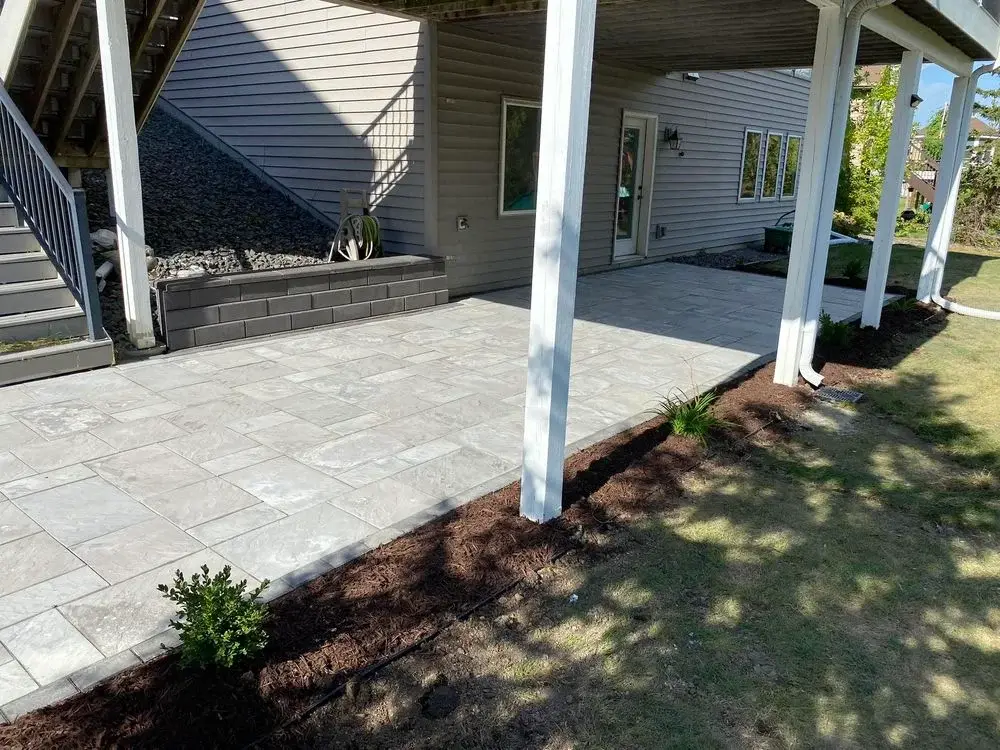
Paver patio and hardscape installation with integrated…
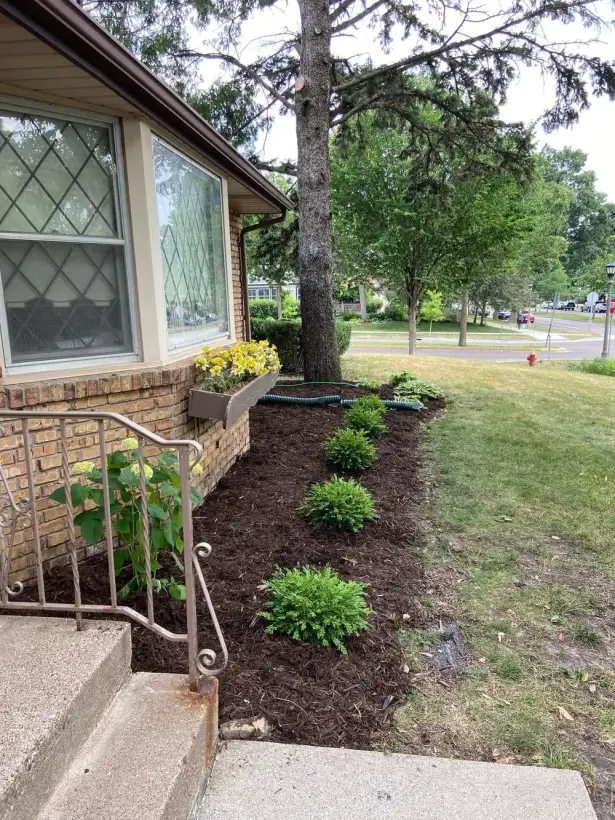
Mulched planting bed with shrubs and yellow flowers…
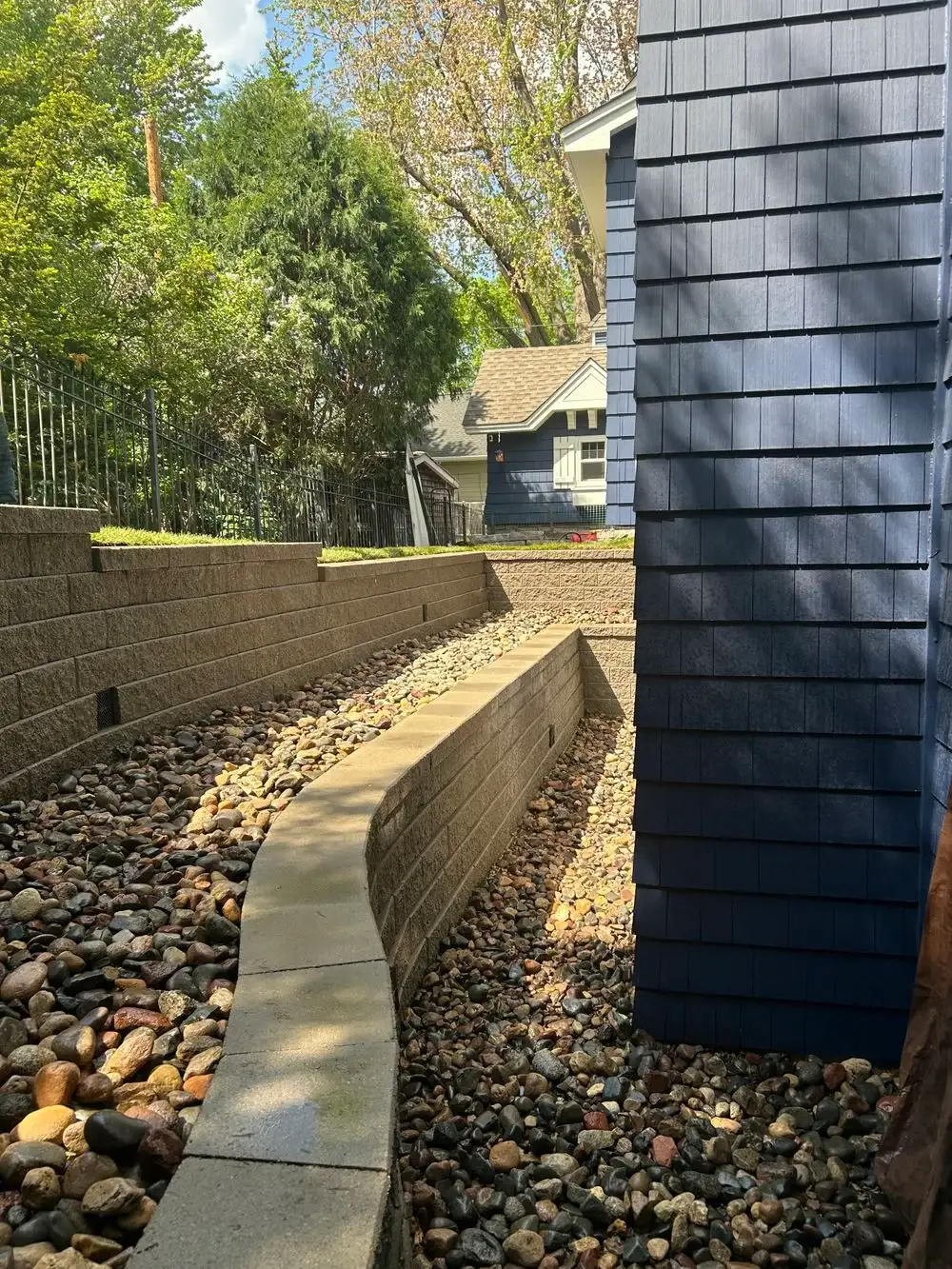
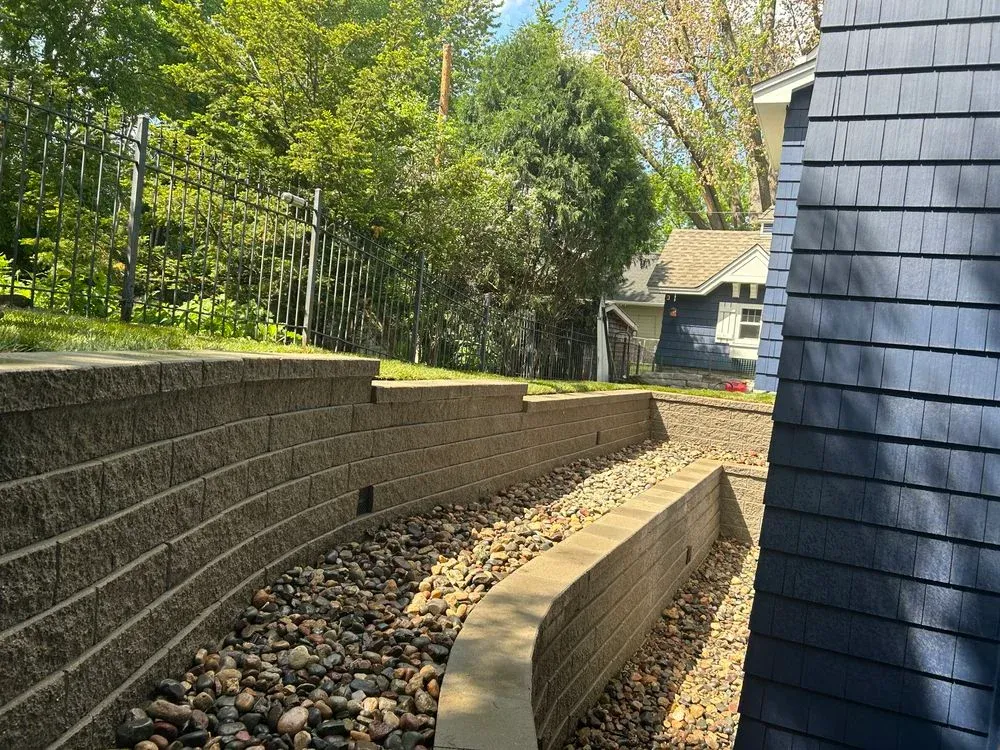
Retaining walls with river rock drainage installed alongside…
Our story
Minneapolis Irrigation Installation, Start to Finish
Edge Landscape Construction installs irrigation systems throughout Minneapolis and the broader Twin Cities metro, handling everything from initial design through final startup. If you're weighing the cost of installation, the honest answer is that scope drives the number more than anything else: a basic lawn zone system for a standard suburban lot sits at a very different price point than a multi-zone smart system covering turf, garden beds, and drip lines on a larger property. Those two jobs aren't the same project. What they do share is one hard requirement in Minnesota: proper blow-out and winterization before the ground freezes, or you're replacing heads and supply lines every spring. We engineer that into every system we install, so the first hard freeze doesn't cost you money. Call (612) 814-1717 to schedule a free on-site estimate.
A well-designed irrigation system for a Minneapolis property has to account for a few things most national guides skip entirely. The outdoor season runs roughly May through mid-October, which is shorter than most of the country's, so a smart controller that adjusts run times based on actual evapotranspiration rates pays back faster here than it would in a warmer climate. Soil composition varies widely across the metro: clay-heavy lots in the southwest suburbs drain differently than sandier ground near the river corridors, and that affects head spacing and zone pressure calculations directly. We also pull Gopher State One Call locates before any digging starts, every time, no exceptions. That's not optional and any contractor who skips it is creating liability for your property. Backflow preventer installation is code in Minneapolis for any system connected to city water, and we handle the permit coordination as part of the project. Cost varies based on zone count, system type, lot size, and whether the property has an existing system we're upgrading or we're starting from raw grade. Every job is different, so contact Edge Landscape Construction for an accurate estimate.
- Owner on site
- Walter Trutna
- Home base
- Minneapolis, MN
- Google rating
- 4.9 ★ · 55 reviews
What a Proper Twin Cities Irrigation Install Covers
These are the components we plan and install on every full-system project.
Zone Design and Head Layout
We map zones based on sun exposure, plant type, and soil drainage before a single head location gets marked. Turf zones and bed zones run separately, so you're not overwatering one to keep the other alive.
Smart Controller Setup
WiFi-enabled controllers adjust watering schedules based on real weather data, not a fixed timer. On a short Minnesota season, that matters. You're not running the system through a rainy week in June because someone forgot to override the schedule.
Backflow Preventer Installation
Minneapolis requires a backflow preventer on any system tied to municipal water. We install and test to city code, and we handle the permit so you're not chasing paperwork after the work is done.
Drip Irrigation for Beds and Borders
Rotary heads waste water on planting beds and hardscape edges. Drip lines deliver water directly to the root zone of perennials, shrubs, and trees. We'll separate your bed zones onto drip when it makes sense for the layout.
Winterization Planning
Every system we install is designed for a clean blow-out in October. We size the supply lines and valve boxes with freeze protection in mind, not as an afterthought. That means less risk of cracked heads and burst laterals when the ground locks up.
System Integration with Other Hardscape
If we're also building a paver patio or walkway on the same project, irrigation sleeves go under those surfaces before the base goes down. Retrofitting irrigation under finished hardscape later is expensive. We coordinate it from the start.
Process
How We Approach Every Installation
- Step 1 of 3:
Site Assessment and Design
Walter or a crew lead walks the property, maps water pressure at the meter, identifies soil type and drainage patterns, and lays out a zone plan. If you want a 3D design showing the full layout before we dig, we can do that too.
- Step 2 of 3:
Permits, Locates, and Installation
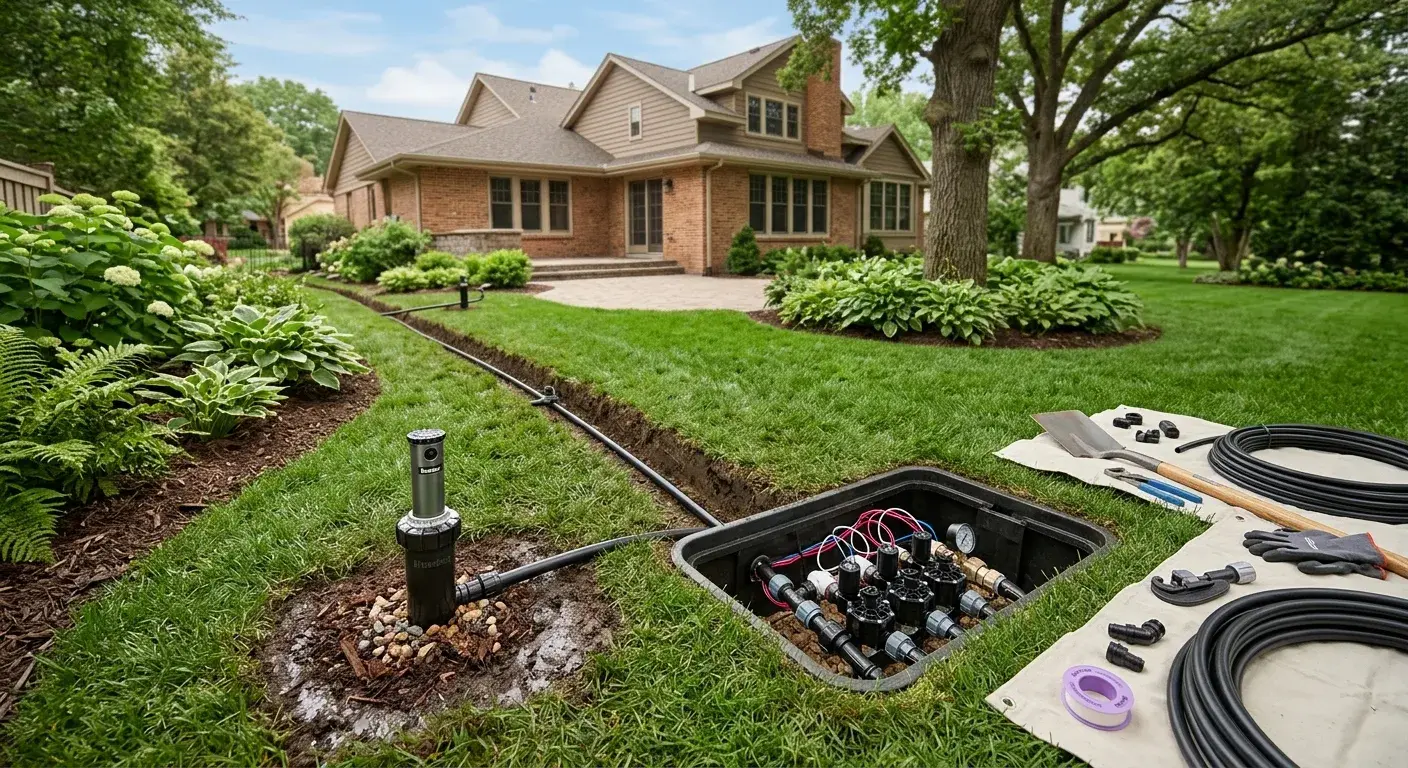
We file for the irrigation permit, call in Gopher State One Call locates, and schedule the dig once clear. Installation runs zone by zone: mainline, laterals, heads, valve manifold, controller wiring, and backflow.
- Step 3 of 3:
Startup, Calibration, and Handoff
We run every zone, adjust head arc and radius for coverage overlap, program the controller, and walk you through the system before we leave. You'll know exactly how to adjust schedules and when to call for the fall blow-out.
It starts with step one.
Book your on-site estimate and we'll walk the property with you.
Why It Matters Here
Minnesota Winters Don't Forgive a Poorly Winterized System
Smart Controllers vs. Traditional Timers
One upgrade that changes how much water you actually use.
Traditional Timer Controllers
Run on a fixed schedule you program manually. They don't know it rained Tuesday. They don't know July was cooler than average. You end up overwatering in wet stretches and underwatering in dry ones unless you're constantly adjusting by hand.
Smart WiFi Controllers
Pull local weather data and adjust run times automatically based on evapotranspiration rates. On a 90-degree dry stretch, they run longer. After a half-inch of rain, they skip the next cycle. For Minneapolis homeowners, that's real savings over a 5-month season.
Upgrading an Existing System
If you already have an older irrigation system with a standard timer, retrofitting a smart controller is usually straightforward. We assess the existing valve wiring, confirm compatibility, and swap out the controller without touching the underground components. It's one of the faster upgrades we do.
Start here
Get Your Irrigation System Installed Before the Season Starts
Minneapolis irrigation season is short. The best time to install is spring, before the lawn is fully greened up and before our schedule fills. Contact Walter's crew for a free on-site estimate.
(612) 814-1717Or send it in writing
Three fields, thirty seconds
Irrigation Questions Minneapolis Homeowners Ask
Do I need a permit to install an irrigation system in Minneapolis?
Do I need to call Gopher State One Call before digging for irrigation?
When should I shut down my irrigation system in the Minneapolis area?
What drives the cost of irrigation system installation in Minneapolis?
Is installing an irrigation system worth it for a Minneapolis property?
Can an older irrigation system be upgraded to a smart controller?
In the field
A look at our work
Start Your Irrigation Project
Walter's crew has installed irrigation systems across the Twin Cities metro for over 20 years of combined landscape construction experience.
Related
Next step
Tell us about the job
Your name, your number and what needs doing. A person from Edge Landscape Construction gets back to you.

Request an estimate
Three quick fields. No obligation.
What happens next
- Site Assessment and Design
- Permits, Locates, and Installation
- Startup, Calibration, and Handoff
“Fantastic company! Definitely a customer first business. Friendly, generous and hardworking. Highly recommend.”
Updated November 2026